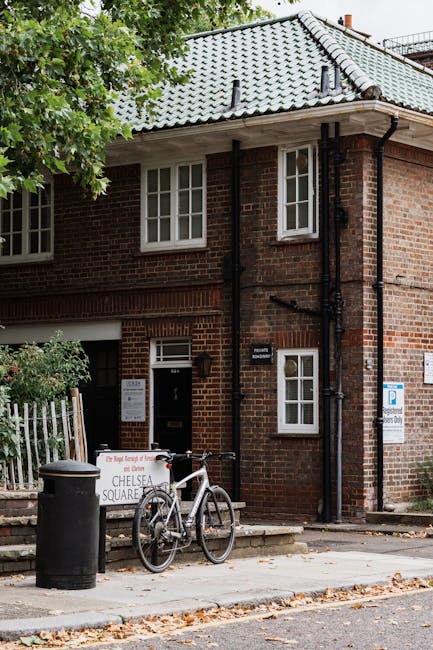
Kings Road Chelsea rubbish removal for tight access properties
If you live or work along Kings Road in Chelsea, you already know the problem: rubbish removal is rarely straightforward when access is tight. Basement flats, mews houses, gated courtyards, narrow frontages, shared hallways, awkward parking, and flight after flight of stairs can turn a simple clear-out into a logistical headache. That is exactly where Kings Road Chelsea rubbish removal for tight access properties needs a more considered approach.
This guide explains how tight-access clearances work, what makes them different, and how to choose the right method without damaging the property, the waste, or your patience. Whether you are dealing with a single bulky item, a full flat clearance, builders' waste, or an office tidy-up, the aim is the same: remove everything safely, efficiently, and with as little disruption as possible. To be fair, that sounds simple on paper. In real life, Chelsea can be a bit of a puzzle.
Below, you will find a practical breakdown of the methods, the best-fit services, the mistakes people make, and the best way to plan the job so it runs smoothly. And yes, there is a proper checklist too.
Why Kings Road Chelsea rubbish removal for tight access properties Matters
Tight access changes everything. A property may be perfectly liveable, attractive, and valuable, yet still difficult to service because the waste has to travel through narrow doorways, shared entrances, basement stairwells, or controlled loading areas. On Kings Road, that kind of access challenge is common enough that planning ahead is not optional.
The main issue is not just convenience. Poor access can increase handling time, create safety risks, and raise the chance of damage to walls, floors, bannisters, or the waste itself. If items are large, heavy, dirty, fragile, or awkwardly shaped, the wrong removal method can quickly become expensive and stressful. Nobody wants a sofa wedged halfway down a staircase at 8:15 in the morning. That is not a good start to the day.
For households, the difference shows up in how quickly a flat can be cleared for moving, decorating, or letting. For businesses, it affects opening times, customer flow, and noise management. For builders and landlords, it can determine whether a project stays on schedule or gets bogged down in repeated trips and failed collections. In Chelsea, where many buildings are older and access is not generous, the right method matters a lot.
This is also where trust becomes important. A reputable rubbish removal provider should be able to assess the access, advise on the best method, and suggest alternatives if a standard skip is not the smartest option. If you want a broader overview of disposal choices, the company's rubbish removal service is a good place to understand the service style, while wait and load skip hire can be useful where space is very limited and you need a fast turnaround.
How Kings Road Chelsea rubbish removal for tight access properties Works
The process usually starts with an access check, not a lorry. That sounds obvious, but it is often the bit people skip. A proper assessment looks at entry width, stair access, lift availability, loading restrictions, parking constraints, whether the waste has to be carried through the property, and whether items can be broken down safely.
From there, the removal method is matched to the site. In a tight-access property, the most suitable options are often:
- Man and van collections for smaller clearances or mixed household waste.
- Wait and load if the vehicle cannot stay parked for long or a skip would block access.
- Grab hire where waste can be reached from outside and loaded quickly.
- Enclosed containers or more controlled collection setups where security matters.
If the property is residential and the waste is manageable by hand, the team may carry items out carefully and load them directly. If the waste is bulky but the street layout makes a skip awkward, a timed load-and-go approach can be more efficient. In some jobs, a small vehicle and a well-planned carry route will beat a bigger machine every time.
The key is matching the waste to the access, not the other way around. A lot of people assume they need the biggest option available. Usually they do not. Sometimes a small, well-run collection beats a large, complicated one by a mile.
For buildings with mixed access and mixed waste, you may also want to compare the practical differences between domestic skip hire and man and van clearance. The right fit depends on time, space, and how much of the waste can be moved safely in one go.
Key Benefits and Practical Advantages
The big benefit of a tight-access rubbish removal service is control. You reduce the chance of disruption, avoid guesswork, and keep the job moving even when the building layout is less than ideal.
- Less property disruption: Careful handling reduces the risk of scuffs, chips, and awkward carry routes through finished interiors.
- Better time planning: Smaller crews and faster loading methods can fit around neighbours, concierge rules, and limited parking windows.
- Safer lifting: Bulky or heavy items can be moved with more control, which matters when stairs are narrow or turns are sharp.
- More flexibility: The service can be adapted for flats, mews properties, basements, retail units, and offices.
- Cleaner outcomes: Waste is taken away in one planned visit rather than dragged out over several trips.
There is also a practical mental-health benefit, if we are honest. A cluttered basement or packed hallway can make even a good-sized Chelsea property feel smaller and more stressful than it needs to be. Once the rubbish is out, the place tends to breathe again. You notice the light, the floor space, the calm. Bit of a reset, really.
For commercial sites, the benefits are different but just as real: fewer complaints, less interference with trading, and a quicker return to normal. If your waste is generated by a fit-out or refurbishment, it may be worth looking at builders waste removal or construction waste clearance where the material is more likely to be mixed, heavy, and produced in stages.
Who This Is For and When It Makes Sense
This kind of service is useful for a lot of people, not just homeowners with awkward staircases. In Chelsea, the list is broader than you might think.
- Basement flat residents who cannot get large waste containers outside easily.
- Owners of mews or period properties with narrow entrances or shared access.
- Landlords and letting agents dealing with end-of-tenancy rubbish or abandoned items.
- Builders and tradespeople clearing debris from a refurbishment or strip-out.
- Retail and office managers replacing furniture, displays, or old stock.
- Households clearing bulky furniture such as mattresses, sofas, wardrobes, or white goods.
It makes sense when the access constraints are likely to slow down a standard clearance or make skip placement impractical. It also makes sense when you need the waste gone quickly and with less back-and-forth. If you are on a timetable - say, end of tenancy on Friday, handover on Monday - the simplest solution is often the best one.
For bulky furniture and appliances, there are also dedicated services that can help avoid hassle. Mattress and sofa disposal can be especially useful where storage space is tight, and fridge and appliance removal is worth considering when you do not want to move heavy units through delicate interiors.
And if the job involves a whole property rather than just a few items, a broader house clearance or garage and loft clearance may be the more efficient route.
Step-by-Step Guidance
Here is the practical way to approach a tight-access clearance without making it harder than it needs to be.
- Walk the route first. Check the front door, internal corridors, stair width, turns, lift use, and where items will be carried from and to.
- Measure the awkward bits. Doorways, head height, basement steps, and narrow landings matter more than people expect.
- Separate waste by type. General rubbish, bulky furniture, garden waste, and construction debris often need different handling.
- Identify any restrictions. Parking bays, loading windows, concierge rules, or neighbour access can all shape the collection plan.
- Choose the right method. Decide whether you need man and van, wait and load, grab hire, or a standard skip setup.
- Break down items where safe. Flat-pack furniture, shelving, and some fittings can often be dismantled to make carrying easier.
- Protect the property. Use covers or mats if needed, especially on stairs, fresh paint, or polished floors.
- Load efficiently. Heavier items should go in first, with lighter items filling gaps around them.
- Check for restricted waste. Put aside anything hazardous, electrical, or specialist before the team arrives.
- Finish with a final sweep. A quick check of cupboards, under stairs, and behind doors avoids that annoying "oh no, we missed one box" moment.
That last step sounds small, but it saves time. Every time.
If access is especially tight or the waste needs to be out the same day, same day skip hire may still work in some scenarios, but it is worth checking whether a collection-based option is actually simpler. For many Kings Road properties, speed plus flexibility beats size.
Expert Tips for Better Results
After enough clearances, a few patterns become obvious. The jobs that go well are usually the ones that were planned just a little bit more carefully.
Tip 1: Don't overestimate what can be carried in one go. A sofa may look manageable until you hit a stair bend, a low ceiling, or a handrail that gets in the way. In our experience, the route matters as much as the item.
Tip 2: Ask about loading style before the day. Will waste be carried through the property, loaded from the front, or collected from a rear access point? One quick answer can prevent a lot of confusion.
Tip 3: Photograph the access if you can. A couple of simple images of stairs, entrances, and the waste pile are often more useful than a long explanation. Not glamorous, but practical.
Tip 4: Keep delicate items separate. Mirrors, glass, artwork, and electronics should not be tossed into a mixed pile and hoped for the best. Hope is not a handling method.
Tip 5: If security matters, choose the right container. For commercial jobs or partial clearances where waste must remain on-site briefly, an enclosed and lockable skip hire option can offer a bit more peace of mind.
Tip 6: Think about recycling before loading. When waste is sorted sensibly, more of it can be diverted for reuse or recycling. If sustainability matters to you - and it should - look at a provider's recycling and sustainability approach and ask how materials are handled.
A small human note here: sometimes the best time-saving trick is simply having a clear hallway before the team arrives. It sounds almost too basic, but that one thing can shave a surprising amount of friction off the job.
Common Mistakes to Avoid
The biggest mistakes are usually not dramatic. They are the sort of small oversights that snowball on the day.
- Booking the wrong method for the access. A standard skip may be fine in theory, but not if there is nowhere safe to place it.
- Not checking permit needs. If a skip has to sit on a public road, you may need the relevant permissions. The basics are covered on skip hire permits and skip permits.
- Underestimating stair carries. This is where time goes. Heavy items move slower than people think.
- Mixing restricted waste with general rubbish. Certain items need special handling, and leaving them buried in a pile can hold up the whole collection.
- Leaving everything to the last minute. If you know access is tight, give yourself more margin. It is almost always worth it.
- Forgetting about neighbours or managing agents. In shared buildings, good communication avoids avoidable friction.
There is also a common assumption that "small job" means "easy job". Not always. A couple of oversized items in a basement flat can be trickier than a big pile in a driveway. Strange, but true.
Tools, Resources and Recommendations
The right tools for the job depend on the waste and the route. You do not need an armoury, just sensible preparation.
- Measuring tape: Useful for doorways, stair widths, and awkward items.
- Gloves and sturdy footwear: Basic but important, especially on hard or dirty surfaces.
- Protective covers: Helpful for stair rails, flooring, and narrow hallways.
- Bin bags and rubble sacks: Good for smaller loose waste that would otherwise slow down the load.
- Labels or tape: Handy when separating keep, recycle, and remove piles.
When you are choosing a service, it also helps to compare the actual disposal route rather than only looking at the vehicle. For example, a grab hire service may work well where waste is piled outside and access is otherwise cramped, while man and van suits smaller or indoor collections. For jobs that need rapid completion, same day skip hire can be appropriate if access and placement are workable.
If you are comparing costs or trying to work out the most sensible size, the skip sizes and prices page is helpful for understanding how capacity affects the job. And if you want to book without any faff, the book online option can make the process quicker.
Law, Compliance, Standards, or Best Practice
Waste removal in the UK is not just about getting rid of stuff. It also needs to be handled responsibly. You do not need to become a compliance expert, but you should expect the company you hire to operate carefully and lawfully.
Best practice usually includes:
- Correct waste segregation where practical, so recyclable material is not treated as mixed waste unnecessarily.
- Safe manual handling to reduce the risk of injury during stair carries or awkward lifts.
- Protection of the property during loading, especially in finished interiors.
- Transparent treatment of restricted items such as hazardous waste, certain electricals, or confidential material.
- Clear terms and pricing so you know what is included before the job begins.
If the waste includes documents, sensitive records, or items that need destruction rather than simple disposal, it is worth looking at confidential shredding. For anything classed as hazardous or potentially harmful, hazardous waste disposal is the safer route.
For wider reassurance, a provider's health and safety policy, insurance and safety information, and payment and security details can all help you judge whether they are organised properly. That is not just box-ticking. It matters when a staircase is tight and the waste is awkward.
Options, Methods, or Comparison Table
Different access issues call for different solutions. Here is a practical comparison.
| Method | Best for | Strengths | Watch-outs |
|---|---|---|---|
| Man and van | Small to medium loads, indoor collections, mixed household waste | Flexible, direct, good for narrow access | Can need more labour time for heavy or bulky items |
| Wait and load | Properties with no space for a skip or limited parking time | Fast, minimal street presence, useful in controlled areas | Needs good preparation so loading happens quickly |
| Grab hire | Waste that can be placed within reach outside the property | Efficient for larger volumes, less manual carrying | Not ideal if waste must be carried through a building |
| Standard skip hire | Sites with enough room for placement and loading | Simple for ongoing clear-outs and larger projects | May require a permit or space that tight-access properties do not have |
For many Kings Road addresses, the best option is not the biggest one but the one that causes the least friction. A basement flat with a narrow staircase may be better served by rubbish removal or wait and load skip hire, while an outside renovation pile might suit grab lorry hire. The access decides the method, not the other way round.
Case Study or Real-World Example
Imagine a one-bedroom basement flat just off Kings Road. The resident is moving out and needs a sofa, a mattress, a broken desk, two chairs, and a pile of general waste removed. The hall is narrow, the stairs turn sharply at the bottom, and there is no useful place to leave a skip outside without causing problems.
In that situation, a small, well-planned collection makes more sense than forcing a bigger solution. The team would usually confirm the access, check whether the sofa can be split down, protect the stair edges, and move the waste in manageable loads. The mattress and sofa would be removed together, while the smaller waste is bagged so the route stays clear.
The difference between a smooth clearance and a frustrating one often comes down to five minutes of planning. Once the route is clear, the items move quickly. The stairwell stops being a problem, and the job feels straightforward, almost boring. Which, in rubbish removal, is actually a good thing.
For a different scenario - say a small office with confidential files, old chairs, and an appliance or two - a mix of office clearance, confidential shredding, and appliance removal may be the most sensible combination.
Practical Checklist
Use this before booking or on the morning of the collection.
- Measure doorways, hallways, and stairs.
- Check if any items need dismantling before removal.
- Separate general waste, bulky items, electricals, and anything hazardous.
- Confirm parking, loading access, and time restrictions.
- Protect floors, walls, and bannisters if needed.
- Make sure the route from the item to the exit is clear.
- Put aside anything that should not be mixed with general rubbish.
- Ask whether a skip, grab lorry, man and van, or wait and load method is best.
- Review the provider's pricing and terms before confirming.
- Keep a contact number handy in case access instructions need a quick update.
If the job is broader than a one-off rubbish collection, you may also want to compare related services such as builders skip hire, site clearance, or construction waste disposal depending on what is being removed.
Conclusion
Kings Road Chelsea rubbish removal for tight access properties is really about one thing: choosing a method that fits the building, not fighting against it. Tight stairs, narrow entrances, shared access, and limited parking can make a simple job more complex, but with the right planning, the process stays manageable and tidy.
The best results come from measuring first, sorting waste sensibly, and matching the collection method to the property rather than forcing the property to fit the service. That approach saves time, reduces risk, and usually makes the whole experience calmer than people expect. Truth be told, once the route is mapped properly, a difficult-looking clearance often turns out to be perfectly doable.
If you are weighing up your options, compare access, waste type, and timing before you book. Then choose the method that removes the stress along with the rubbish. That is the real win.
Get a free quote today and see how much you can save.
And when the last bag has gone and the hallway is clear again, there is a particular kind of relief to it. Quiet, simple, very welcome.
Frequently Asked Questions
What makes tight access properties harder to clear on Kings Road?
Tight access properties often have narrow staircases, limited parking, shared entrances, basement layouts, or awkward turns that make carrying waste slower and more careful than usual. The access itself becomes part of the job.
Is rubbish removal better than skip hire for a property with little space?
Often, yes. If there is no safe or practical place for a skip, a collection-based service such as rubbish removal or wait and load may be the better choice. It depends on the waste volume and how accessible the property is.
Can bulky items be removed from a basement flat?
Yes, provided the route is safe and the item can be moved without damaging the property. In some cases, furniture may need to be dismantled first, which is why a good access check matters.
Do I need a permit for rubbish removal in Chelsea?
Not usually for a direct collection, but if you are using a skip that needs to go on the public highway, a permit may be required. It is worth checking the planned method before booking.
What is wait and load skip hire?
Wait and load means the vehicle arrives, the waste is loaded quickly, and the vehicle leaves without the skip sitting on site. It is useful where space is tight or roadside placement is difficult.
How do I know whether grab hire will work for my property?
Grab hire is best when waste is accessible from outside, usually in a pile or at ground level. If items need to be carried through a building, another method may be more suitable.
Can I mix household rubbish with builders' waste?
Sometimes mixed loads can be handled, but it depends on the service and the type of material. It is safer to describe the waste clearly before booking so the right collection method can be chosen.
What items should not go in a general rubbish removal load?
Hazardous waste, certain electricals, and items that need specialist treatment should not be hidden in a general pile. If in doubt, separate them and ask for proper guidance before collection.
How can I protect my property during removal?
Clear the route, remove fragile objects, cover floors or bannisters where needed, and make sure the team knows about any delicate areas. A little prep goes a long way, honestly.
How quickly can tight access rubbish be removed?
That depends on the waste volume, access route, and chosen method. Smaller loads can often be cleared quite quickly, while larger or more complex jobs may need a bit more planning.
Is this type of clearance suitable for landlords and managing agents?
Absolutely. It is often a practical way to clear end-of-tenancy waste, abandoned items, or furniture from buildings where access is awkward and time is limited.
What should I ask before booking a clearance on Kings Road?
Ask about access requirements, loading method, permit needs, restricted items, timing, and how the waste will be disposed of. Those five minutes of questions can save a lot of hassle later.
Can you combine several services in one visit?
In many cases, yes. For example, a property might need household rubbish removal alongside sofa disposal or appliance removal. Combining the job can make things easier and more cost-effective.
What is the most common mistake people make with tight access properties?
The most common mistake is assuming the standard option will work without checking the route. It often does not. A small bit of planning usually solves the problem before it starts.
Where can I learn more about the company's approach to recycling and safety?
You can review the company's recycling and sustainability, health and safety policy, and about us pages for extra reassurance about how work is handled.